Architectural Synthetic Roofing for Homes Battling Ice, Rain, and Warm
A roofing system has a simple job theoretically and a penalizing one in real life. It needs to drop tough rainfall without leaking, stand up under freeze-thaw cycles, stand up to sunlight damage through hot summer seasons, and still look proportionate on the home below it. In areas where winter months ice, spring tornados, and summer warm all take turns testing the building envelope, roof product choice quits being a style exercise and becomes a lasting efficiency decision.
That is where building synthetic roofing earns interest. Property owners commonly very first encounter it while contrasting cedar shake, slate, asphalt, or clay alternatives. They may be attracted by appearance, however the actual worth often tends to turn up in the years after setup, when the roof maintains doing its task with climate extremes with much less drama, reduced architectural demand, and fewer maintenance headaches than many typical materials.
I have actually seen this discussion play out most often on higher-end remodels and personalized homes, particularly in environments that require much more from the roofing system than a typical builder-grade system can comfortably provide. A stunning roofing system that fractures under hail storm, absorbs water, or overwhelms an aging frame is not a costs choice, regardless of how excellent it viewed on setup day. Costs synthetic roofing functions best when it is chosen with clear eyes, installed thoroughly, and matched to the style and neighborhood weather profile.
Why artificial roof covering has moved into the building category
Synthetic roofs were once dealt with as a replacement product, something property owners chose when they desired the appearance of slate or shake without the cost of the genuine material. That mounting no more records the classification well. The much better products in the marketplace today are not merely imitations. They are engineered roof covering settings up designed to fix performance troubles that traditional materials have never completely overcome.
Architectural artificial roof covering typically uses advanced polymers, composite blends, or recycled engineered products developed right into accounts that mimic hand-split cedar, quarried slate, or tile. The production consistency issues. Natural products vary, often perfectly, occasionally unpredictably. Synthetic roof tiles can deliver controlled thickness, repeatable fit, and influence resistance that would certainly be challenging to expect from wood or stone.
That does not mean every synthetic product is worthy of the exact same reputation. There is a broad spread in quality. Some lower-cost products look flat, really feel weak, or age improperly under UV direct exposure. Much better property synthetic roofing items often tend to reveal their top quality in 4 locations: dimensional realism, securing layout, weather condition ratings, and lasting shade security. A sample board under display room lights seldom informs the entire story. You require to ask how the item behaves after 7 or 10 summertimes, not just how it views on day one.
The environment problem: ice, rainfall, and heat do not fail roofing systems the exact same way
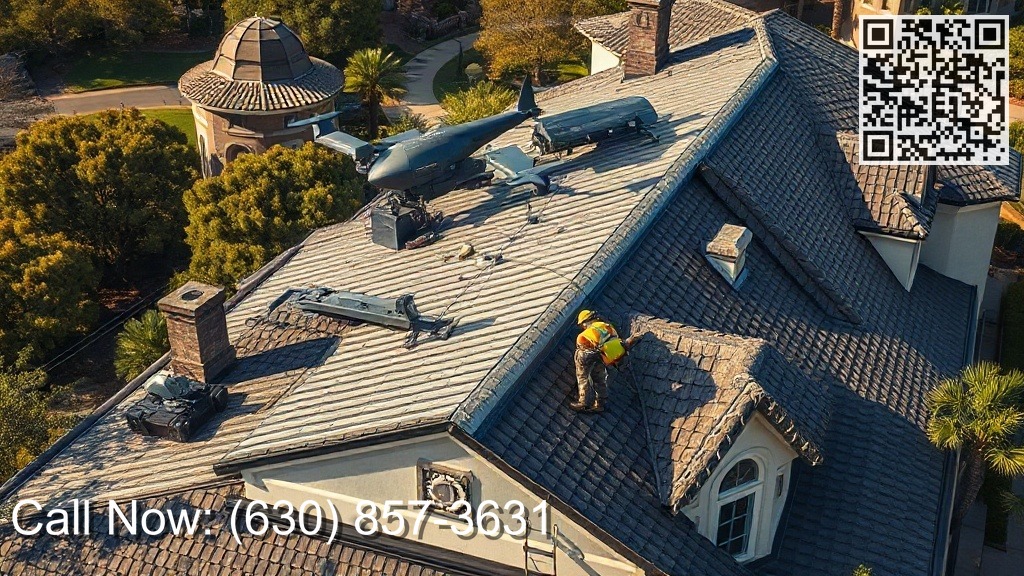
A home in an extreme mixed environment asks a lot from its roof covering because the anxiety is not coming from one source. Ice exploits water drainage flaws. Wind-driven rain discovers small installation errors. Warmth cooks lower-grade materials from above while attic temperatures press from below. Each force attacks a different weakness.
In winter, the persisting problem is not simply snow lots. It is the freeze-thaw cycle and what happens when meltwater refreezes at eaves or in shaded valleys. Ice dam problems can back water under subjected roofing surface areas, particularly where flashing, underlayment, ventilation, and insulation are not interacting. Artificial roof can assist because lots of items shed water effectively, withstand wetness absorption, and maintain stability with temperature swings. Still, no top-surface material alone solutions a poor roofing assembly. The underlayment and air flow strategy continue to be essential.
Heavy rainfall produces a different test. I have evaluated roof coverings after springtime storm events where the area of the roofing looked great, but changes around smokeshafts, sidewalls, skylights, and dormers informed the real story. This is one factor a skilled synthetic professional roofer matters as high as the item itself. A costs system installed casually ends up being an expensive dissatisfaction. A well-detailed system, by contrast, can manage rain events that reveal weaker job practically immediately.
Then there is warm. On hot roofs, especially dark ones with minimal color, sustained thermal growth wears on parts in time. Substandard materials can curl, discolor, dry, or end up being more breakable. Much better synthetic roofing tiles are crafted for UV resistance and thermal motion. That matters in late July when roofing system surface temperature levels soar far above the air temperature level and every seam, bolt, and flashing edge is expanding under stress.
Weight modifications everything greater than many home owners realize
One of the most significant useful advantages of artificial roof covering for high-end homes and older houses alike is weight. Genuine slate and clay ceramic tile can be spectacular products, yet they put considerable needs on the framework. If a residence was not initially mounted for that load, installment may call for expensive reinforcement. Even on homes that can support the weight, additional dead lots affects lasting structural stress.
Architectural synthetic roofing supplies a method to achieve a high-end profile without lugging the very same structural problem. That opens up alternatives in roof covering replacement jobs where the property owner wants the appearance of quarried slate or cedar shake but does not intend to restore rafters, strengthen outdoor decking, or approve the higher threat of breakage during future service job. On numerous tear-offs old cedar roofing systems, home owners started the process thinking they would certainly need to choose in between the appeal of real wood and the functionality of asphalt. Costs artificial roof covering often came to be the third path, a product that maintained the aesthetic personality they wanted while decreasing upkeep demands.
This weight benefit is especially meaningful on complicated rooflines. Turrets, eyebrow dormers, high gables, intersecting valleys, and decorative ridge details all multiply labor and increase the significance of workable product handling. Artificial elements are typically simpler to phase, cut, and place than all-natural rock or ceramic tile, which aids quality assurance when teams are dealing with intricate locations high over grade.
Performance is not almost enduring storms
When home owners look for roof, they frequently concentrate on the significant failures. Leaks. Blow-offs. Hail damages. Those matter, naturally, however everyday performance deserves equivalent attention. A roof ought to continue to be steady, keep look, enable trusted repair work if ever before required, and support the home's broader wetness administration strategy.
The better synthetic roofing systems are designed to resist breaking, splitting, rot, insect damage, and dampness absorption. That mix matters greater than it may appear. Cedar can weather beautifully, but it additionally requires ongoing maintenance and can experience in persistently wet conditions. All-natural slate has remarkable durability, but it is hefty, pricey, and can be prone to breakage from foot traffic or specific impacts. Asphalt remains cost-efficient and familiar, yet numerous asphalt items do not supply the same building presence or lifespan assumptions that owners of premium homes are seeking.
Synthetic roofing systems sit in a beneficial happy medium. They are frequently chosen by homeowners who care about both visual appeals and possession experience. They desire a roof that belongs on the residence aesthetically, however they also want less ongoing shocks. On homes with long sightlines, steep roofing system pitches, or noticeable front elevations, look is not a small aspect. The roof may represent a large share of what people in fact see from the visual. A flat-looking material can diminish a well-designed home. The better architectural synthetic roofing products add darkness lines, structure variation, and profile deepness that read well from the street.
Where artificial roofing makes the most sense
Not every home requires premium artificial roofing. If the house is a moderate framework near completion of an organized ownership horizon, and cost containment is the overriding problem, an excellent architectural asphalt roofing system may be the reasonable option. But there are clear situations where artificial roof ends up being compelling.
Homes with a historical or high-design character typically benefit since the roofing system belongs to the style, not simply a cap on the top. A faux-slate profile can look appropriate on rock colonials, French estate, and specific Tudor-inspired altitudes. Synthetic shake accounts fit lots of artisan, lodge-style, and transitional homes where natural cedar when would certainly have been the default recommendation.
Synthetic roof for deluxe homes also makes sense when the proprietor desires premium curb allure however does not want the upkeep associated with traditional wood. That is a common conversation in wealthy suburban areas, where property owners may love the appearance of cedar yet do not love periodic treatment cycles, susceptability to weathering, or the possibility of unequal aging across sunlight exposures.
In areas where hail storm, wind, and seasonal extremes are common, the choice often boils down to run the risk of administration. A roof covering product can be gorgeous and still be the wrong fit for a local environment. A well-rated artificial product paired with a careful synthetic roof covering setup can lower direct exposure to a few of the failing settings that plague more delicate materials.
The Chicago and Chicagoland factor
If you talk to any kind of experienced synthetic professional roofer Chicagoland property owners count on, weather will enter the discussion early. It needs to. The region supplies wide temperature level swings, cold conditions, hefty rain events, wind, and periodic warm that can press roofing systems hard in both instructions over the calendar year.
Synthetic roof Chicago projects typically include a mix of architectural aspiration and climate realism. In areas with personalized homes or upscale renovations, proprietors do not desire a roof covering that looks common. At the very same time, they have little perseverance for materials that invite recurring upkeep or age erratically after a few harsh wintertimes. That belongs to the factor domestic artificial roof covering has gotten traction in the area.
The same reasoning applies in close-by suburbs. Synthetic roofing Naperville IL inquiries, as an example, typically originated from homeowners changing cedar, upgrading from asphalt, or building custom homes where the roof covering has strong visual prestige. In these projects, the inquiry is rarely just, "What is most inexpensive?" It is more frequently, "What will still look right and execute well ten or fifteen years from now?"
A credible artificial roof company serving the region needs to have the ability to talk about ice barrier placement, attic air flow, blinking methods, and regional code factors to consider as conveniently as item aesthetic appeals. If the conversation stays minimal to color choices and warranty sales brochures, it is incomplete.
Installation top quality is where good material confirms itself
Synthetic roofing installment is less flexible than some sales discussions indicate. Yes, the product might be lighter and a lot more convenient than slate or ceramic tile, yet that does deficient a casual install. The roof covering deck problem need to be examined. Underlayments have to match the climate and incline conditions. Ventilation has to be resolved honestly. Infiltrations and shifts require regimented flashing work.
I have seen premium products undermined by hurried layout, badly prepared starter courses, and sloppy ridge outlining. An artificial roof covering installer that does not have experience with the product line can produce problems that do disappoint up till the very first difficult rain or the 2nd winter months. An excellent artificial professional roofer pays close attention to fastening zones, direct exposure uniformity, valley treatments, and manufacturer-specific accessory requirements.
This is also where home owners require to separate "roofing firm that can install synthetic" from "artificial roofing contractor with a genuine record." The distinction matters. A professional that sets up the item regularly will generally have a much better feel for staging, waste reduction, pattern mixing, trim information, and typical jobsite risks. On exceptional homes, those information show up. They also affect service years later.
If a job consists of an artificial roof replacement over an older home, the professional must additionally be looking beyond the visible roof covering surface area. Rotten decking, insufficient intake ventilation, failed flashing behind stonework, and prior jumble around dormers can all undermine the brand-new system if overlooked. Changing the finish product without fixing assembly issues is a short path to expensive frustration.
Signs a roof covering replacement conversation is worth having
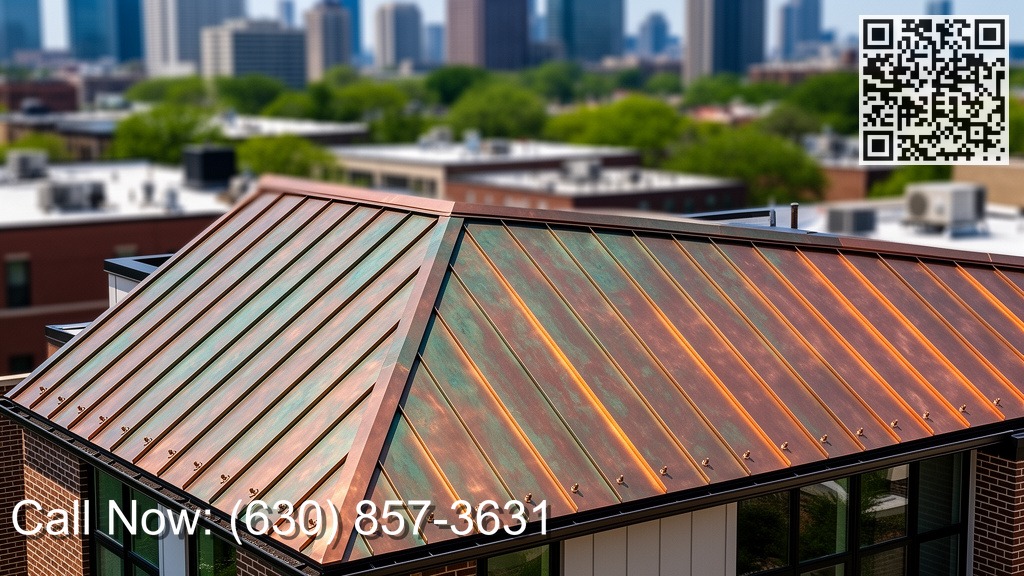
A roof covering seldom fails all at once. More frequently, it offers cautions. Some are noticeable from the ground, others only turn up during inspection.
- recurrent leaks around valleys, chimneys, or skylights
- widespread curling, splitting, or busted roof pieces
- visible sagging or soft outdoor decking underfoot
- heavy granule loss or advanced weathering on aging roofs
- repeated repair work after seasonal storms
When those indicators show up with each other, covering ends up being less appealing. At that stage, synthetic roof substitute can be worth reviewing not simply as another product option, but as a performance upgrade.
The visual argument is stronger than skeptics assume
There is still a https://salvoarchitecturalroofingcontractors.com/photo-gallery/ sector of the marketplace that hears "artificial" and presumes the completed roof covering will look fake. That was a fair criticism of some early products. It is a lot less fair today, at least at the greater end of the category.
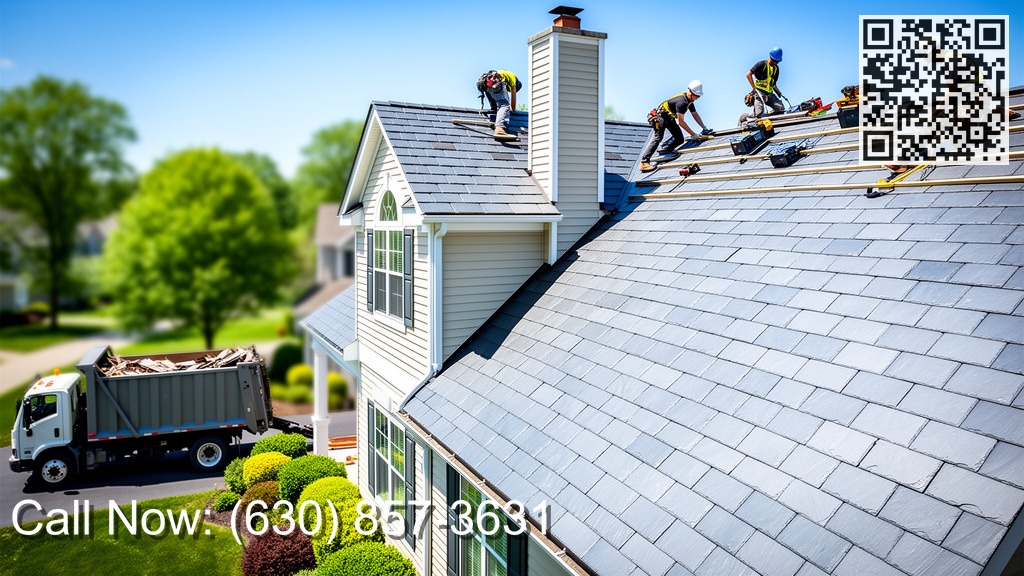
Well-made architectural synthetic roof creates aesthetic deepness in such a way that standard asphalt usually can not. The side profiles are more pronounced, the shadow lines extra persuading, and the texture more lined up with all-natural materials. From visual range, and commonly also from closer point of views, many premium items check out much much better than skeptics anticipate. On an effectively designed home, that aesthetic coherence matters.
This is specifically pertinent for property owners buying stonework exteriors, personalized windows, copper accents, and thoroughly proportioned rooflines. A roofing system with inadequate personality can flatten the entire structure. Artificial roof covering for high-end homes is not simply about preventing maintenance. It has to do with preserving architectural intent while improving practicality.
There are compromises, certainly. Some perfectionists will certainly constantly like actual slate or real cedar, and in specific landmark or traditionally stringent setups that may be the appropriate selection. But on several homes, the distinction in lived experience, minimized structural problem, and boosted strength make premium artificial roofing a serious competitor, not a compromise.
Cost, life expectancy, and value need a more truthful conversation
Homeowners commonly ask whether artificial roofs deserve the greater initial rate compared to asphalt. The answer relies on what they are comparing, for how long they prepare to stay in the home, and what options are truly on the table.
Compared with common asphalt, synthetic roof covering tiles typically set you back more up front. Compared with all-natural slate, clay ceramic tile, or top-tier cedar systems, they may can be found in far lower as soon as structural requirements, installation labor, and future upkeep are factored in. Worth is not just sticker price. It is mounted expense, possible repair service history, upkeep burden, and exactly how the roofing adds to resale impression.
Lifespan claims should have care. Roof covering makers typically market positive solution assumptions, yet real-world long life relies on climate, air flow, installment top quality, positioning, and upkeep. A disciplined professional will certainly discuss ranges and conditions, not assures removed from your home itself. If a representative speaks with complete certainty regarding years of excellent efficiency without initial inquiring about the existing roofing deck, attic room, or exposure problems, that is a warning sign.
The toughest worth case for artificial roofing systems often tends to show up when a property owner desires an exceptional appearance, anticipates to stay in the home, and prefers longevity without the weight or upkeep responsibilities of standard high-end materials.
Questions worth asking before you hire
Choosing an artificial roof covering firm need to feel much less like choosing a commodity installer and even more like working with a finish-trade specialist. The roofing system is too exposed, also expensive, and as well crucial to entrust to vague assurances.
- Which synthetic line of product have you mounted repetitively, and on what home styles?
- How do you take care of ventilation, ice security, and flashing upgrades during replacement?
- Can you show finished projects that are at least several years old?
- Who manages the installment staff day to day?
- What conditions would certainly create you to advise deck replacement or setting up redesign?
Those concerns disclose a great deal. So do the answers. Experienced artificial roofing installers have a tendency to clarify information plainly, without overpromising or dodging project-specific constraints.
The roof system matters greater than the roof surface area alone
One of one of the most usual home owner mistakes is dealing with roof covering material as though it exists alone. It does not. The noticeable layer depends upon the layers beneath it and the structure conditions around it. Underlayment, flashing, air flow, fasteners, deck stability, drain style, and insulation all form roofing system performance.
This is especially real in climates with snow and summertime warmth in the same year. An artificial product may resist moisture well, but if attic room air flow is inadequate, warmth accumulation can still shorten component life and boost ice dam threat in winter season. A costs artificial roofing may drop water successfully, but if chimney blinking is weak or valley steel is installed improperly, the weak point continues to be the weak point.
That is why the best artificial roofing installation tasks start with diagnosis, not product sales brochures. A professional must check how the current roof covering failed, where moisture has actually been relocating, whether intake and exhaust air flow are well balanced, and what concealed conditions may impact the substitute. Product selection issues, but assembly style decides whether the investment performs.
When synthetic is the clever building choice
For homes fighting ice, rain, and heat, building synthetic roof typically does well since it resolves a number of functional needs at the same time. It can deliver a polished look, reduced architectural weight, boosted resistance to weather-related damage, and a more convenient possession experience than many conventional premium products. That is a strong mix, particularly for property owners who appreciate layout but have no interest in yearly roof covering drama.
Still, the product is just as good as the judgment behind it. The appropriate item on the incorrect home is not the best answer. The right product with a reckless installer is not a costs system. But when the roof covering profile suits the design, the assembly is designed properly, and the installer recognizes both the product and the environment, synthetic roof covering can be one of the most balanced alternatives offered today.
For home owners contrasting synthetic roofing system substitute choices in Chicago, the broader Chicagoland area, or any environment where climate rejects to stay respectful, that balance is exactly the factor. A roofing must do more than survive. It must secure the house, support the architecture, and maintain carrying out when the projection transforms ugly. Building artificial roof covering, at its best, is developed for that job.
When Quality Matters
Salvo Architectural Roofing Contractors
566 West 5th Ave Naperville, IL 60563
(630) 857-3631
 Ask ChatGPT
 Ask Grok
 Ask Perplexity
 Ask Claude
 Ask Google AI
 Ask You